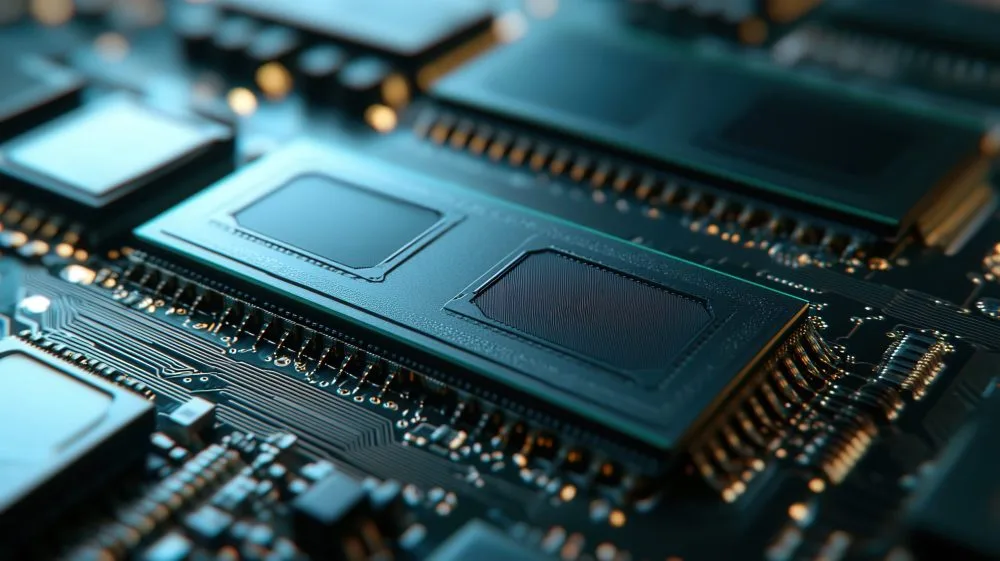
GDDR7 introduces major advances over GDDR6 by doubling typical per-pin rates and integrating on-die ECC with richer error reporting. These improvements allow narrower buses to achieve equal or higher bandwidth than wider GDDR6 designs, while also boosting reliability in demanding environments. The result is a new balance of factors, including capacity, bandwidth, and resilience.
This whitepaper compares GDDR6 and GDDR7 systems at the memory level and provides practical sizing guidance using WOLF modules (134S, 167S, 166S, and 163S) as examples. We show how to align bus width and pin rate with real bandwidth needs, and how to evaluate working sets to decide between 8GB, 16GB, or even larger capacities. Many workloads can shift from 16GB GDDR6 to 8GB GDDR7 without performance loss, while unpartitionable or high-capacity tasks benefit from 16-24GB GDDR7. The key is understanding both memory footprints and mission reliability requirements when choosing the right configuration.
[View/Download PDF] GDDR7 vs GDDR6 — What Changes at the Memory Level